
With the rapid development of industrial automation, smart manufacturing, and new energy vehicles, the global sensor motor market is entering a new growth phase. Demand for high-precision and high-efficiency drive systems is steadily increasing, making sensor motors widely applied across various devices. From industrial robots to smart home appliances and new energy vehicles, these motors are gradually becoming essential power components due to their reliable performance and mature technology. Understanding the industry trends over the next five years helps companies make informed decisions when selecting and purchasing motors, enhancing competitiveness and production efficiency.
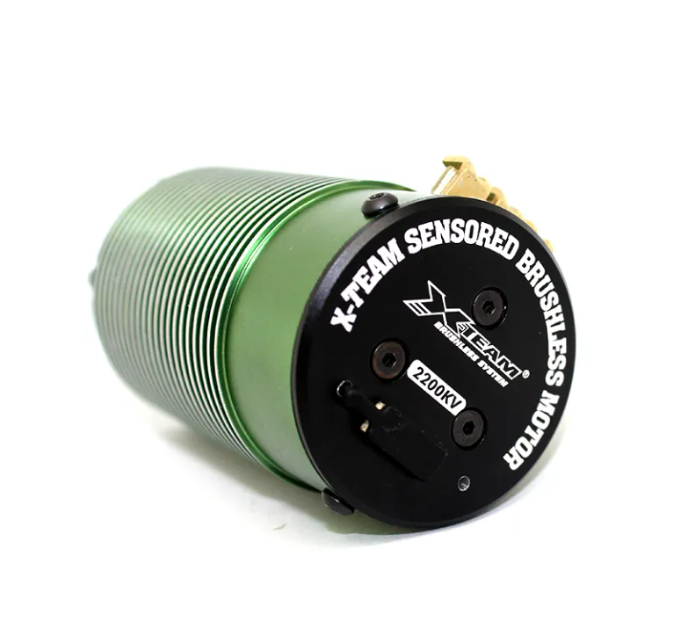
Market Demand Growth Trends
The sensor motor market is expected to maintain steady growth over the next five years, driven by several factors:
- Industrial automation demand: Automated production lines and smart equipment increasingly rely on precise control and reliable power.
- Growth of the new energy sector: Electric vehicles and energy storage devices are driving higher demand for high-performance motors, boosting sensor motor sales.
- Smart home adoption: Household smart devices require small, efficient motors, opening new market opportunities for sensor motors.
- Replacement of traditional motors: Sensor motors offer advantages in efficiency and controllability compared to some traditional motors, leading more companies to adopt them.
Technology Development Directions
Over the next five years, sensor motor technology will continue to evolve to meet high-performance application needs. Motor control precision will improve, and the use of electronic commutation and intelligent control algorithms will become more widespread, enabling smoother operation and faster response. Optimized materials and thermal designs will enhance motor efficiency and durability, providing reliable power for long-term high-load applications.
In fields such as new energy, robotics, and precision manufacturing, high-speed, high-precision sensor motors will become mainstream. Combined with smart control systems and IoT technologies, future sensor motors will not only achieve efficient driving but also support remote monitoring and predictive maintenance, improving overall equipment operation efficiency.
Selection Recommendations for Companies
In the next five years, selecting the right sensor motor for specific applications will be critical:
- Match load requirements: Choose motor models that meet the device’s power and speed requirements to ensure efficiency and performance.
- Focus on control solutions: Prefer products that support electronic commutation and intelligent control for precise speed regulation and high responsiveness.
- Thermal design: Good heat dissipation structures ensure long-term efficient operation and extend motor lifespan.
- Brand and reliability: Select motors from reputable manufacturers to maintain stable performance over long-term operation and reduce maintenance costs.
Over the next five years, the global sensor motor market will continue to expand with the rapid growth of automation, smart manufacturing, and the new energy industry. Technological optimization and the application of intelligent control make sensor motors excel in efficiency, precision, and durability, meeting the demands of industrial, household, and new energy applications. Choosing high-performance sensor motors not only improves equipment efficiency but also reduces energy consumption and maintenance costs, providing companies with reliable power solutions and a competitive edge in the market.