
Vietnam has a long coastline, with active diving, marine tourism, and underwater operations. However, coastal waters in Vietnam are characterized by high salinity, high temperatures, and high humidity, which place strict demands on the corrosion resistance of underwater thruster motors. Without adequate protection, motor performance degradation, reduced service life, and even failure can occur much more quickly.
Corrosion Challenges in High-Salinity Environments
Chloride ions in seawater are one of the primary causes of metal corrosion. In Vietnamese waters, the combination of elevated salinity and warm temperatures accelerates electrochemical corrosion processes. Once seawater penetrates a motor through weakened sealing points, it can damage stator windings, bearings, and electrical connections over time.
Compared with freshwater environments, seawater corrosion is more aggressive and often difficult to detect at an early stage. By the time issues become visible, critical internal components may already be compromised.
Motor Housing Materials as the First Line of Defense
The choice of housing material is crucial for underwater thrusters operating in high-salinity seawater. Common corrosion-resistant solutions include marine-grade aluminum alloys, stainless steel, and composite housings, often combined with anodizing or protective surface coatings to enhance resistance.
For long-term use in Vietnamese coastal conditions, the quality and uniformity of surface treatment can be just as important as the base material itself. A dense, well-applied protective layer helps isolate the motor from direct seawater exposure.
Sealing Design Determines Long-Term Reliability
Corrosion resistance in underwater thruster motors largely depends on sealing design. In high-salinity environments, single-seal systems may degrade or wear over time, allowing saltwater ingress. Multi-layer sealing structures, such as combinations of mechanical seals and O-rings, provide more reliable long-term protection.
Effective sealing not only prevents seawater from entering the motor but also reduces salt accumulation around shafts and bearings, significantly extending service life.
Internal Protection and Insulation Are Equally Important
Even with strong external protection, internal corrosion prevention should not be overlooked. High-quality underwater thruster motors often feature specially treated windings with enhanced moisture and salt-mist resistance. Some designs apply internal anti-corrosion coatings or use protective filling materials to reduce the impact of humidity on metallic components.
In high-humidity regions like Vietnam, internal protection plays a major role in maintaining stable motor performance.
Proper Use and Maintenance Are Essential
Corrosion prevention is not solely dependent on design; correct usage and maintenance are equally important. After each seawater operation, rinsing the thruster with fresh water helps remove salt residues and slow corrosion. During extended periods of non-use, equipment should be stored in a dry environment to avoid moisture buildup.
For users operating frequently in Vietnamese waters, regular inspection of seals and housing condition is an effective way to reduce failure risks.
Motor Type and Its Impact on Corrosion Resistance
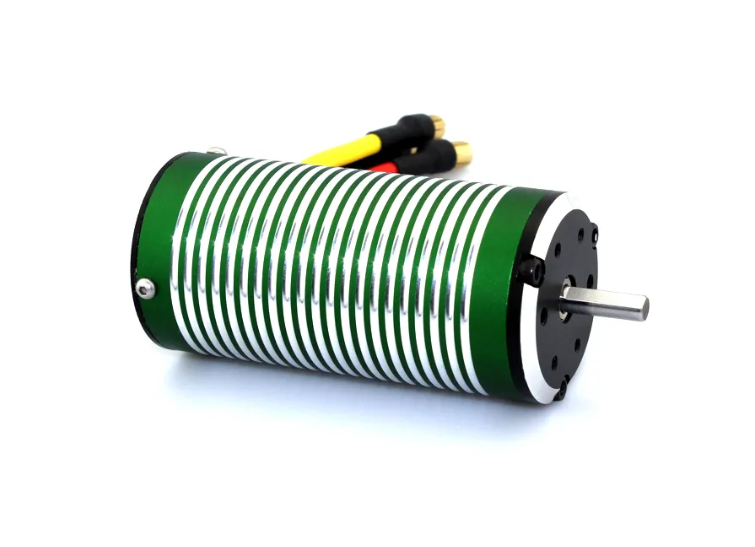
From a structural perspective, brushless motors are generally better suited for underwater applications due to their more enclosed design and reduced mechanical wear. When combined with robust sealing and corrosion-resistant materials, brushless motors typically offer longer service life and more stable performance in high-salinity environments.
This is one of the key reasons why brushless motor configurations are widely adopted in modern underwater thruster designs.
Conclusion
Vietnam’s high-salinity seawater environment presents significant corrosion challenges for underwater thruster motors. From housing materials and surface treatment to sealing systems, internal protection, and proper maintenance, every aspect influences long-term reliability. By addressing corrosion prevention at both the design and operational levels, underwater thrusters can maintain stable and safe performance in demanding Vietnamese coastal conditions.