
In outdoor equipment and complex industrial environments, motors are often exposed to water, moisture, and even high-humidity conditions. For BLDC motors, waterproof performance directly affects operational stability and service life. Whether in drones, garden tools, or semi-outdoor and underwater-related devices, higher protection requirements are increasingly common. Therefore, how to properly design and implement waterproofing has become an important aspect of motor application. Through structural design and process optimization, the reliability of motors in harsh environments can be significantly improved.
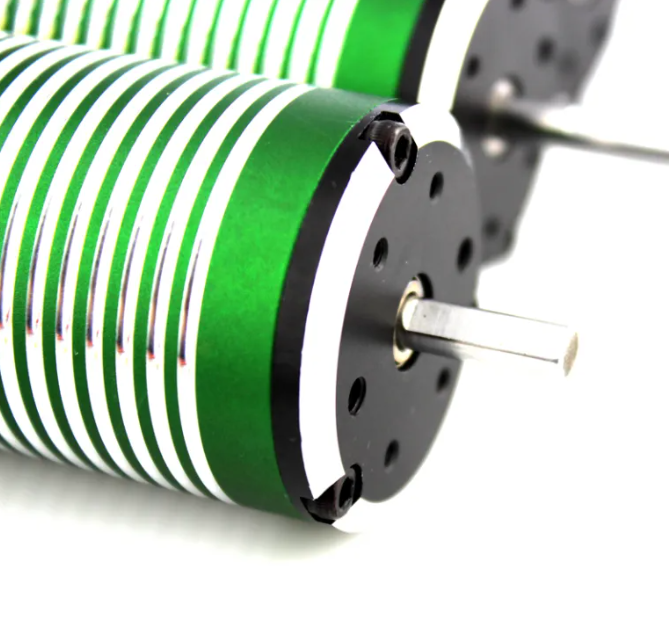
Enclosure Sealing Design
The first line of defense in waterproofing comes from structural design, which physically prevents water from entering the motor.
- Improved housing sealing level: High-precision machining reduces gaps and potential leakage points.
- Sealing ring integration: Rubber seals are added at end caps and bearing areas to prevent moisture ingress.
- Optimized joint structure: Interlocking or press-fit designs enhance overall sealing performance.
- Protection rating design: Different IP ratings such as IP65 or IP67 are selected based on application requirements.
Potting and Coating Protection Process
In addition to external structures, internal protection is equally important for improving waterproof capability.
- Epoxy resin potting: Key internal areas are filled with insulating resin to block water and air.
- Waterproof coating: Windings and circuit boards are coated to enhance moisture resistance.
- Localized protection: Critical areas receive targeted coating for improved reliability.
- Improved insulation: Enhances electrical insulation while reducing short-circuit risks.
Bearing and Shaft Waterproof Design
Rotating components are the most vulnerable entry points for water, requiring focused protection.
- Double-sealed bearings: Bearings with sealing structures reduce internal moisture intrusion.
- Labyrinth structure design: Complex paths block direct water entry into the motor.
- Lubrication protection: Waterproof grease reduces contact between water and metal parts.
- Anti-corrosion materials: Key metal components use corrosion-resistant materials or surface treatments.
Usage and Maintenance Optimization for Waterproofing
Even with waterproof design, proper usage plays a key role in long-term protection performance.
- Avoid prolonged immersion: Waterproof motors are not fully submersible devices.
- Regular seal inspection: Check sealing rings for aging and replace when necessary.
- Keep surfaces clean: Reduce exposure to mud, salt mist, and corrosive substances.
- Proper installation: Avoid upward-facing connectors or water-accumulation positions.
- Control operating environment: Choose higher protection ratings for humid or corrosive conditions.
The waterproof performance of BLDC motors is not achieved by a single technique, but rather the combined result of structural design, material processing, and proper usage. Through effective sealing structures, internal protection processes, and appropriate maintenance practices, motor reliability and lifespan in harsh environments can be significantly improved. In practical applications, waterproof design not only enhances reliability but also expands the range of use, enabling motors to perform in more outdoor and industrial scenarios.