
In the UK, drones are widely used in aerial photography, outdoor exploration, agricultural monitoring, industrial inspection, and STEM education. The power system is the core of a drone—it determines flight speed, stability, endurance, and payload capability. For users looking to upgrade their drone or build a custom setup, choosing the right power system is essential. This guide combines real UK flying habits with practical recommendations from X-TEAMRC to help you select the ideal configuration.
Identify Your Purpose: Different Tasks Require Different Power
Across the UK—from London’s urban rooftops to the windy Scottish Highlands—the environments vary greatly. Your intended use directly shapes your power system choices.
Aerial-filming pilots need stable, low-noise, long-endurance power solutions to maintain reliable hovering in coastal or high-wind areas. FPV racers require high-KV, high-response motors with strong thrust-to-weight ratios. Educational and research users focus more on durability and ease of maintenance.
Understanding your flight purpose is the first and most important step in choosing a UK-appropriate power system.
Motor Selection: Size, KV Rating, and Efficiency Matter Most
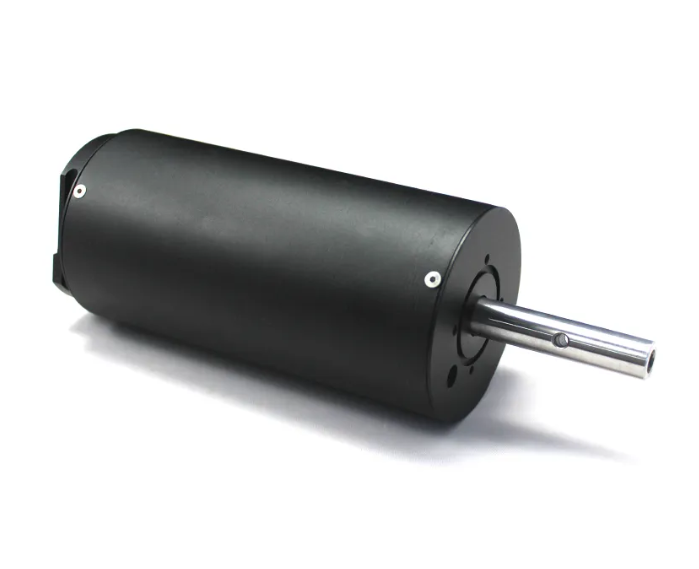
Brushless motors are the core of the power system, and different motor sizes and KV ratings create completely different flying experiences.
Small drones often use lightweight motors such as 1105, 1507, or 1806 to extend flight time. Aerial-filming setups prefer larger, low-KV motors like 2212 or 2806.5 for better torque and stability. FPV pilots typically choose motors such as 2207, 2306, or 2807 for superior responsiveness.
Across the UK market, pilots pay the most attention to three factors:
efficiency, stable thrust output, and thermal performance.
X-TEAMRC: A Versatile Power Solution for UK Drone Applications
For UK users seeking reliable and customizable power options, X-TEAMRC is a manufacturer worth considering.
As a company specializing in brushless motors and ESCs, X-TEAMRC offers a wide range of power solutions—from micro-training motors to general-purpose aerial motors and large-torque industrial systems. Their motors and ESCs can be customized in KV rating, size, or mounting style, making them suitable for a wide range of UK-specific use cases:
Aerial-filming users can choose low-KV, high-efficiency motors designed for stable hovering and strong wind resistance.
FPV racing and freestyle pilots gain access to high-response motors with excellent thrust-to-weight performance.
Industrial and agricultural operators can opt for high-torque motors capable of carrying heavy loads and driving large propellers.
For UK drone builders, X-TEAMRC’s advantages lie in its comprehensive product range, customization flexibility, and strong cost-performance ratio.
Propeller Selection: Stability Matters in UK Wind Conditions
British weather is famously unpredictable, and coastal or highland regions often experience sudden wind gusts. This makes propeller selection especially important.
Aerial filmmakers prefer larger, low-noise propellers that improve wind resistance and hover stability. FPV pilots focus on lightweight responsiveness, typically choosing two- or three-blade props. Casual hobby pilots prioritise durability and affordable replacement costs.
The right propeller can significantly enhance stability, efficiency, and overall control feel.
ESC Selection: Response Speed and Compatibility Are Key
The ESC controls the motor and plays a major role in flight stability.
Aerial pilots tend to choose ESCs with low heat generation and stable output, while FPV racers prefer options with high refresh rates for rapid response.
In the UK market, pilots usually evaluate ESCs based on:
current rating, protocol compatibility, and flight-controller integration.
X-TEAMRC also offers ESCs that pair directly with their motors, allowing users to build a fully matched power system with ease.
Battery Configuration: Balancing Endurance and Power Output
UK drone users commonly use 2S–6S batteries depending on their needs.
Aerial-filming drones often rely on 4S–6S packs for extended missions. FPV pilots use high-discharge lightweight batteries for strong burst power. Casual users choose 2S–4S solutions for balanced cost and flight time.
Battery capacity, discharge rate, and weight all determine the final flight experience, so the battery must be evaluated together with the motor and ESC.
Conclusion
For drone users in the UK, selecting the right power system requires assessing your intended use and ensuring the motor, propeller, ESC, and battery work together as a unified setup. Aerial filmmaking demands stability and efficiency; FPV requires speed and responsiveness; industrial tasks rely on torque and reliability.
If you’re upgrading or building a drone, X-TEAMRC is a strong candidate thanks to its wide product range and flexible customization options. Whether for beginners, FPV enthusiasts, or commercial operators, X-TEAMRC provides dependable power solutions suitable for most UK flying scenarios.