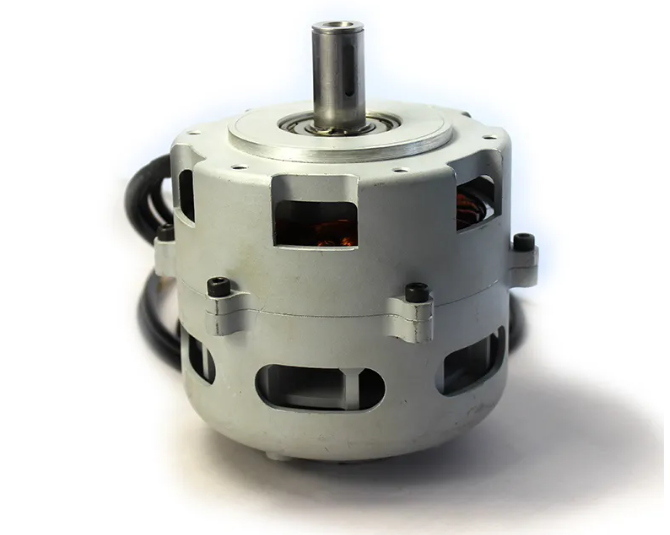
During drone operation, the smoothness of motor performance has a direct impact on flight stability and overall safety. Some users notice noticeable vibrations during takeoff, hovering, or acceleration, and further inspection often points to motor-related issues. So, why do drone motors vibrate? Is this vibration a normal phenomenon or a…
Drones operating in high-temperature environments—such as oilfield inspections, desert surveying, and power line patrols—place far greater demands on motor performance than conventional applications. Standard motors often suffer from thermal derating, efficiency loss, or even burnout when exposed to sustained heat. Therefore, selecting the right drone motor for high-temperature conditions is…
In the world of RC models—whether RC cars, boats, drones, or electric underwater equipment—the motor is the core component. However, many hobbyists choose motors based only on price, brand, or KV rating, while ignoring whether the motor actually matches the application. As a result, the model may “work,” but perform…
When choosing a motor for RC models, many hobbyists notice one key parameter: the KV rating. Beginners often ask: What exactly is KV? Do I really need to understand it when playing with RC cars, boats, or drones? And what is the relationship between KV and torque? This article explains…
In submersible thrusters, the BLDC motor is the core component that directly determines propulsion efficiency, maneuverability, and energy consumption. When selecting a motor, torque is one of the most discussed parameters. High-torque motors are often assumed to be superior, but in practice, choosing the right torque requires balancing performance, efficiency,…
The underwater thruster BLDC motor is a critical component of underwater unmanned vehicles, submersibles, and small marine propulsion systems. Its operating environment is unique, with long-term immersion in water or near-water conditions. During operation, the BLDC motor generates significant heat. Insufficient cooling can lead not only to efficiency loss but…
For beginners entering the world of FPV drones, motor selection is often overlooked compared with frames or video systems. In reality, motors play a critical role in flight stability, control feel, and the difficulty of tuning. Choosing the right motor helps beginners build confidence quickly, while a poor choice can…
In daily FPV (freestyle or racing drone) flying, crashes are almost unavoidable. After a few hard impacts, many pilots notice a common issue: the motor still spins, but the shaft looks slightly bent. This raises a frequent question—can an FPV motor still be used if the shaft is bent, and…
Drone endurance directly affects operational efficiency and mission completion in photography, inspections, and agricultural applications. Battery capacity, flight load, and weather conditions all influence flight time, while the propulsion system, as the core energy-consuming component, significantly impacts energy efficiency. Among various ways to extend drone endurance, whether using a high-efficiency…
When drones are used outdoors for photography, inspection, or agricultural spraying, they often encounter rain, mist, or humid environments. In such situations, drone motors may get wet. If not treated promptly, water entering the motor can cause short circuits, burning, or damage to the control system. Therefore, knowing how to…