
RC car enthusiasts often face a wide range of motor models and complex specifications. High-torque brushless motors, with their stable output, long lifespan, and low maintenance, have become the preferred choice for off-road, climbing, and racing vehicles. However, different applications demand varying torque, KV ratings, and current requirements. Choosing a versatile motor that performs well across multiple scenarios is a key concern for every hobbyist.
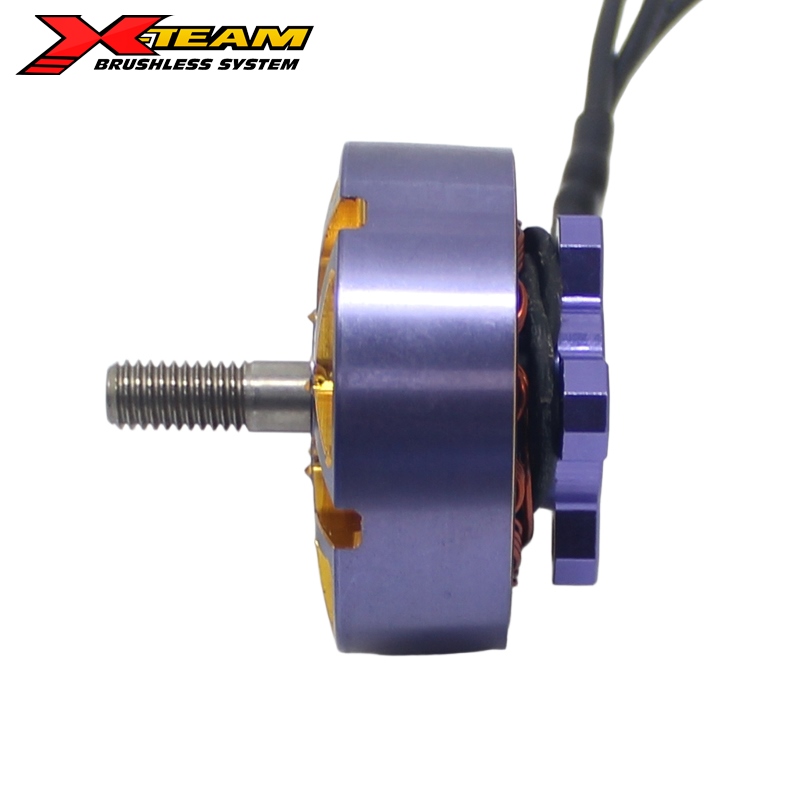
The Importance of High-Torque Motors
Torque directly affects a vehicle’s starting power, climbing ability, and acceleration performance:
Off-road cars: High torque ensures smooth starts and the ability to overcome mud, sand, and uneven terrain.
Climbing cars: Steep slopes and rocky paths require extremely high torque; low-torque motors may cause slipping or stalling.
Racing cars: While top speed is critical, sufficient torque is still needed for quick starts and corner acceleration, ensuring stable handling.
Selecting a high-torque brushless motor ensures stable power output in a variety of challenging conditions, improving both driving experience and control.
KV Rating Selection Tips
KV rating represents the motor’s RPM per volt. High-KV motors spin faster but usually have lower torque, while low-KV motors produce higher torque but lower top speed. For versatile high-torque motors, consider the following:
Off-road/Climbing: Choose motors with moderate or low KV ratings to maintain strong torque output for hills and obstacles.
Racing: Higher KV ratings can be used for speed, but vehicle weight and gear ratios must be considered to ensure smooth acceleration.
Generally, brushless motors with KV ratings between 2000–3500 RPM/V offer a good balance for off-road, climbing, and racing applications, making them ideal versatile choices.
ESC Compatibility
High-torque brushless motors must be paired with a suitable electronic speed controller (ESC) for optimal performance:
Rated current match: ESC current rating should slightly exceed the motor’s peak current to prevent overload.
Voltage range coverage: ESC should support the battery voltage used, ensuring smooth startup and stable power delivery.
Functional features: ESCs with braking or reverse functions enhance maneuverability; high-frequency PWM ESCs reduce motor heat and improve efficiency.
Proper ESC pairing is crucial for ensuring stable operation of versatile high-torque motors across multiple scenarios.
Recommended Strategy for Versatile Motors
When selecting a versatile high-torque brushless motor, follow these guidelines:
Prioritize torque: Ensure sufficient power for low-speed starts and climbing steep inclines.
Moderate KV rating: Balance acceleration and top speed to handle different terrains.
ESC matching: Rated current slightly higher than motor peak current and supports battery voltage.
Gear ratio and propeller matching: Adjust gear ratios based on vehicle weight and wheel diameter for optimal power delivery.
Brand reliability: Choose motors from reputable brands with stable performance, good cooling, and low maintenance requirements.
With this strategy, a single motor can effectively handle off-road, climbing, and racing conditions, enhancing the overall performance and control of your RC car.
Conclusion
High-torque brushless motors are the core component for RC car enthusiasts seeking both speed and control. By selecting the right torque, KV rating, and ESC pairing, you can tackle off-road, climbing, and racing scenarios with ease. Choosing a versatile motor not only enhances driving experience but also extends motor lifespan, making every ride enjoyable and challenging.