
In the United States, drone flying has expanded from professional cinematography and racing events to agriculture inspection, industrial maintenance, and outdoor recreation. Whether a beginner or a professional pilot, most users pay close attention to brushless motors, as they directly determine maneuverability, payload capacity, and overall efficiency. So which brushless motors are most commonly used by U.S. drone pilots, and what features do they value the most? Let’s look at the real trends in the market.
Aerial Filming Pilots Prefer High-Efficiency, Low-Vibration Motors
In the U.S., the number of aerial-filming drone users is huge, including documentary crews, wedding videographers, and surveying teams. These pilots prioritize motor stability and endurance, so they tend to choose low-KV, high-torque, efficiency-optimized motors. Such motors usually feature larger windings, precision-balanced rotors, and low-noise bearings to maintain smooth performance during long hover operations. Many pilots prefer durable motors with good wind resistance to ensure reliable performance during extended outdoor flights.
Racing Pilots Choose High-KV, Small, High-Speed Motors
The U.S. FPV racing community has entirely different requirements. High-speed maneuvers and freestyle flight demand intense burst power, so motors with higher KV ratings are especially popular. These motors are typically lightweight and feature high-strength magnets, low-resistance windings, and open-frame cooling designs to reduce weight and improve instantaneous responsiveness. Professional pilots focus heavily on acceleration, thrust-to-weight ratio, and durability, and often replace motors regularly to maintain peak performance.
Recreational Pilots Focus on Value and Compatibility
Many drone enthusiasts in the U.S. fly for leisure—travel photography, family videos, or casual entertainment. With moderate budgets, they favor durable, easy-to-maintain, and reasonably priced brushless motors. Popular universal sizes such as 2207, 2306, and 2212 are widely used because they are compatible with most flight controllers and frames, and replacement costs are low. Recreational pilots who purchase pre-built drones often prefer models designed with modular components, making power-system upgrades simpler.
Professional Task Pilots Prefer Large-Torque Industrial Motors
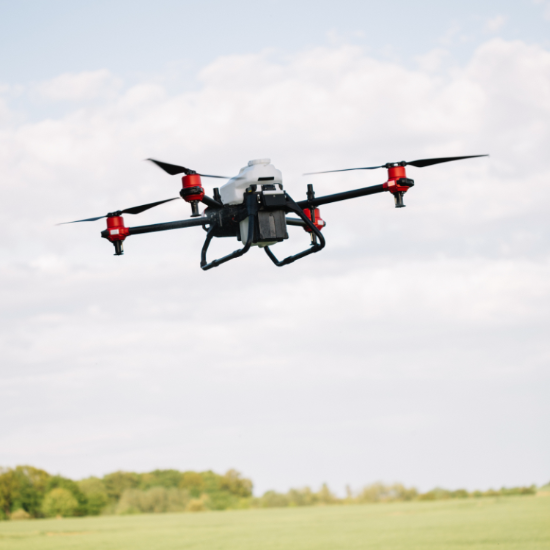
The industrial drone market in the U.S. continues to grow, covering tasks like agricultural spraying, construction inspection, and emergency response. These tasks require high load capacity, so professional pilots usually use larger, high-torque brushless motors such as 3510, 4114, or 5008. These motors pair with large propellers to generate strong lift at low RPM and are built for heat resistance, corrosion protection, and industrial-grade durability. Enterprise-level users place strong emphasis on stability and maintenance cost, making long-life, continuous-output motors the top choice.
Key Factors U.S. Pilots Consider When Choosing Motors
Regardless of drone category, U.S. pilots tend to evaluate brushless motors using several common criteria.
First is thrust stability, which affects the overall flight experience. Second is efficiency, which directly influences flight time. Third is safety performance, including thermal control and structural durability. Fourth is compatibility, ensuring parts can be replaced freely. For FPV and aerial-filming users, KV rating, motor size, and winding quality are among the most important factors. Industrial users, on the other hand, focus more on payload capability and reliability during long continuous operations.
Conclusion
Overall, U.S. drone pilots show clear differences in their motor preferences: racing pilots chase extreme speed, aerial-filming users prioritize stability and endurance, recreational players favor cost-effectiveness, and professional operators require high torque and reliability. No matter which category you belong to, understanding your flight purpose and selecting the right KV rating and size will help you find the ideal brushless motor. If you’re upgrading your drone’s power system, the trends among U.S. pilots can be a valuable reference for making a more informed choice.