
FPV racing drones, also known as quadcopters for speed racing, are renowned for their high velocity, agility, and extreme maneuverability. The motor, as the core power component of a racing drone, directly determines flight speed, acceleration, and control responsiveness. In high-speed flight scenarios, high KV (RPM per volt) motors are the preferred choice for enthusiasts and competitive pilots. But why are high KV motors essential for high-speed FPV racing drones?
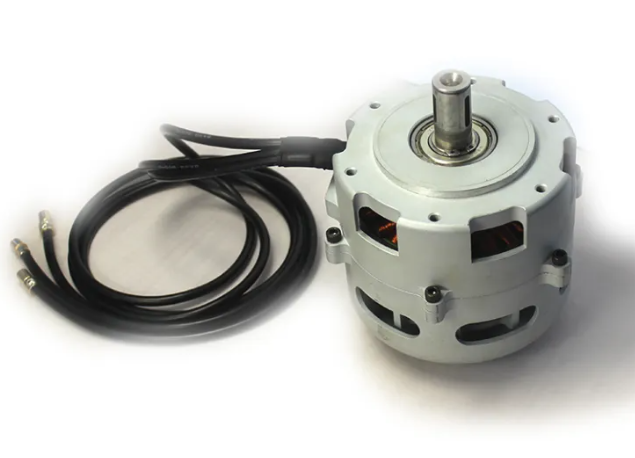
High KV Motors Boost RPM and Acceleration
The KV rating indicates the number of revolutions per minute (RPM) a motor achieves per volt under no load. High KV motors can reach higher rotational speeds at the same voltage. This means that, with the same thrust, a high KV motor spins the propellers faster, improving acceleration and maximum speed. For racing drones, rapid takeoff, swift climbs, and instant bursts of speed are crucial. High KV motors deliver stronger and faster power responses, giving drones a competitive edge on the track.
Compatible with Lightweight Frames and Small Propellers
High-speed FPV drones typically use lightweight frames and small-diameter propellers to reduce overall weight and air resistance. High KV motors paired with small, low-pitch propellers can achieve high rotational speeds even at lower voltages, enhancing flight efficiency and control sensitivity. Motors with low KV values may not reach sufficient RPMs, limiting the performance of lightweight frames and small propellers and reducing the high-speed flight experience.
Fast Response for Precise Flight Control
During high-speed flight, FPV drones must respond rapidly to flight controller commands for maneuvers such as rolls, pitch, and yaw. High KV motors can quickly change RPM, providing instant thrust adjustments that allow precise flight control. Low KV motors respond more slowly, which can cause delays or instability during aggressive maneuvers, affecting both safety and control accuracy.
Considerations When Using High KV Motors
Although high KV motors are ideal for speed, they place higher demands on ESCs (electronic speed controllers), battery capacity, and heat management. High KV motors draw more current at high RPMs, and if paired with inadequate ESCs or batteries, they may experience power shortages or overheating. Moreover, high KV motors are best suited for small, fast-spinning propellers; using them with large-diameter propellers or heavy payloads may reduce efficiency. Selecting the right motor requires balancing flight requirements, propeller size, and power system specifications.
Conclusion
In summary, high KV motors are essential for high-speed FPV racing drones. They provide high rotational speeds, rapid responsiveness, and strong acceleration, meeting the extreme demands of racing for speed and precise control. Properly matching the motor with the drone’s frame, propellers, and power system ensures the full advantages of high KV motors are realized, enabling safe, efficient, and exhilarating high-speed drone flight.