
When choosing home appliances, “energy saving” is often one of the most influential factors in decision-making. In recent years, more and more products such as air conditioners, washing machines, and fans have started using BLDC motors and emphasize significant energy efficiency improvements. However, many consumers still wonder: is this energy saving real, or just a marketing claim? To answer this question, it is necessary to analyze motor structure, operating principles, and real-world usage conditions rather than relying only on specifications.
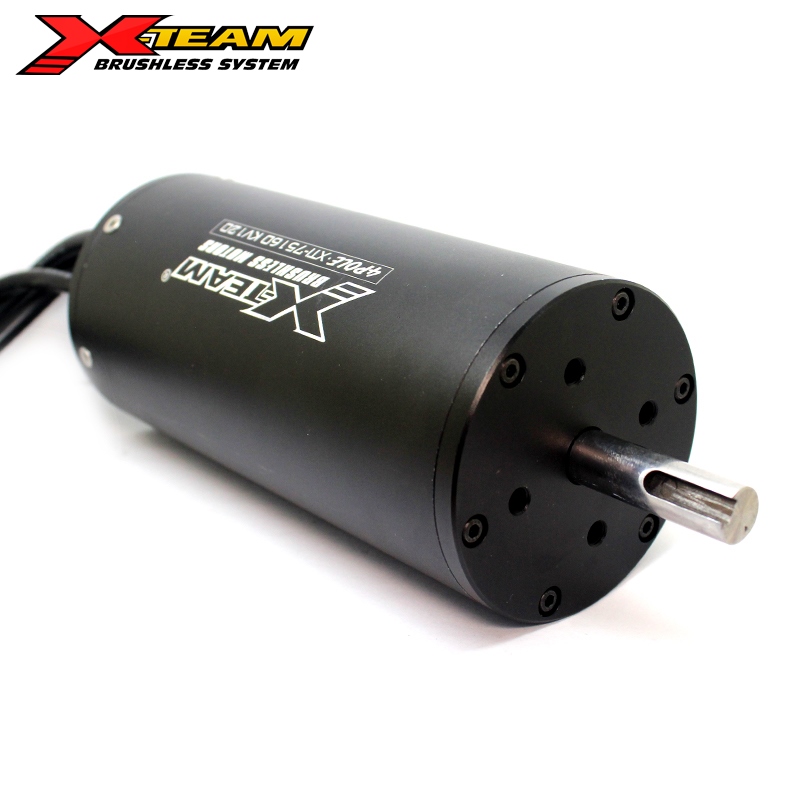
Why BLDC Motors Are Considered More Energy Efficient
The reason BLDC motors are widely regarded as energy-saving mainly comes from their structural and operational advantages.
- Reduced mechanical friction loss: Without carbon brushes, there is no continuous contact friction during operation, significantly reducing energy loss.
- Higher electrical efficiency: Electronic commutation enables more precise current control, reducing wasted energy.
- Stable operating efficiency: High efficiency is maintained across different speed ranges without significant fluctuations.
- Lower heat generation: Reduced energy loss leads to less heat, further improving overall energy efficiency.
Real Energy-Saving Performance in Home Appliances
In real usage scenarios, energy savings depend not only on the motor itself but also on how the entire system operates.
- Better performance with inverter control: In air conditioners and washing machines, speed can be adjusted according to load, reducing unnecessary power consumption.
- Strong advantage under light load: More energy-efficient than traditional motors during low-power or intermittent operation.
- More efficient in long-term operation: Energy-saving benefits become more obvious during continuous use.
- Differences between products matter: Final energy consumption depends heavily on overall appliance design, not just the motor.
Key Factors Affecting Energy Efficiency
Whether a BLDC motor truly saves energy depends on multiple system-level conditions.
- Control algorithm quality: More precise control strategies lead to higher overall efficiency.
- Load matching: Proper matching between motor and load is essential to fully realize energy-saving benefits.
- Operating mode design: Frequent starts and stops or inefficient operation patterns increase energy consumption.
- System optimization: Factors such as airflow design and mechanical resistance also affect final energy usage.
Home Appliances Best Suited for BLDC Motors
Not all appliances benefit equally from BLDC motors, and application scenarios play a key role.
- Air conditioners and fans: Long operating hours make energy savings most noticeable.
- Washing and drying machines: Frequent speed changes allow better efficiency utilization.
- Air purifiers and ventilation systems: Continuous operation enhances stable energy-saving performance.
- Kitchen appliances: Benefit from lower noise and improved energy efficiency.
- High-end smart appliances: Often integrated with intelligent control systems for better overall efficiency.
BLDC motors can indeed reduce energy consumption in most home appliance applications, but whether they truly “save electricity” depends on overall system design, control strategy, and usage conditions. When properly matched and optimized, they not only reduce power consumption but also improve stability and user experience. For consumers seeking higher efficiency and better-quality living, BLDC technology has become an important direction in modern appliance development, offering both performance and energy advantages.