
In modern industries, smart homes, and drones, BLDC motors are favored for their high efficiency and low maintenance characteristics. One of their core advantages is electronic commutation, which replaces the mechanical commutation system used in traditional brushed motors, improving motor efficiency and lifespan. By precisely controlling the current switching in the stator windings, electronic commutation enables smooth, high-speed, and high-precision rotational output, providing reliable power for various devices. Understanding the working principle of electronic commutation helps users select high-performance motors that meet their specific needs.
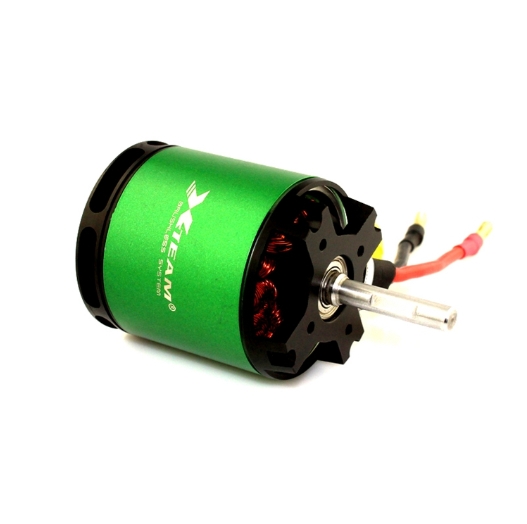
Basic Principles of Electronic Commutation
Electronic commutation uses either sensor-based or sensorless control to adjust the stator current in real time, synchronizing rotor rotation with the electromagnetic field:
- Hall sensors detect rotor position: Hall sensors continuously monitor the rotor’s magnetic pole position and send signals to the controller to determine the timing for current switching.
- Controller switches current: The motor controller precisely changes the direction of current in the windings based on Hall sensor signals, keeping the rotor in continuous rotation.
- Sensorless commutation: Advanced BLDC motors can achieve sensorless electronic commutation by detecting back EMF, reducing wiring and maintenance complexity.
- Optimized output performance: Precise electronic commutation control ensures smooth motor operation, reduces vibration and noise, and improves efficiency and response speed.
Advantages of Electronic Commutation
BLDC motors with electronic commutation offer significant advantages over traditional mechanical commutation. Electronic commutation eliminates brush friction, reducing mechanical wear and sparking while extending motor life. It also allows higher speeds and faster response, making devices perform excellently in high-precision applications. In addition, combining electronic commutation with intelligent control algorithms enables torque control, speed adjustment, and energy optimization, enhancing overall device performance and stability.
In industries such as automation, drones, robotics, and smart home appliances, BLDC motors with electronic commutation not only save maintenance costs but also ensure long-term stable operation, providing companies with reliable and controllable power solutions.
Selection Tips for Motors with Electronic Commutation
When choosing BLDC motors with electronic commutation, consider the following to fully leverage their performance advantages:
- Sensor type: Select Hall sensor-based or sensorless control depending on precision requirements.
- Controller compatibility: Ensure the motor controller supports electronic commutation algorithms for efficient driving and precise speed control.
- Load matching: Choose motor power and speed ranges suitable for the device load to ensure stable output.
- Heat dissipation and durability: Optimize thermal design and material selection to support long-term, high-efficiency operation and extend motor lifespan.
Electronic commutation is a key technology that enables BLDC motors to operate efficiently, stably, and with a long service life. By precisely controlling current switching to synchronize rotor rotation with the stator magnetic field, these motors provide smooth and reliable power output in high-speed, high-precision applications. Selecting high-performance BLDC motors with electronic commutation not only improves device efficiency and response speed but also reduces maintenance costs, offering an ideal power solution for industrial automation, smart home systems, and drones.