
Brushless DC motors (BLDC) are widely used in industrial equipment, drones, RC models, and automation systems due to their high efficiency, low maintenance requirements, and reliable performance. In addition to power and speed, many users also want to know how long a brushless motor can last. In reality, BLDC motors generally have a much longer lifespan than brushed motors, but the actual service life depends on factors such as load conditions, operating temperature, environment, and maintenance practices. Understanding these factors can help users make better purchasing decisions and maximize motor longevity.
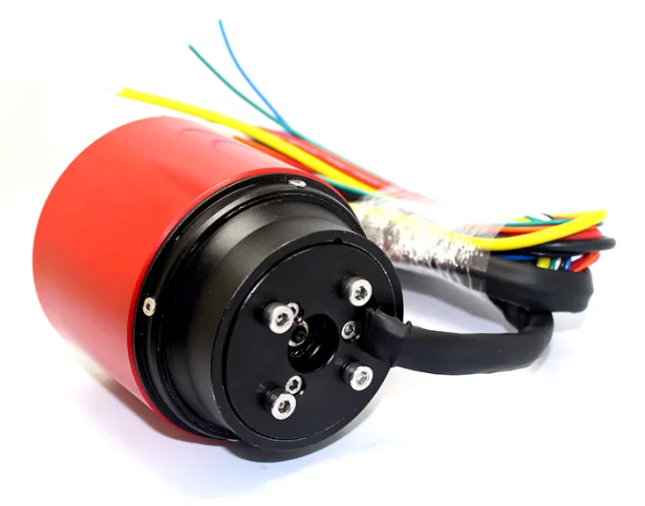
How Long Does a Brushless Motor Typically Last?
Many users ask, “How many years will it last?” or “How many hours can it run?” However, there is no single answer because lifespan varies greatly depending on motor specifications, application requirements, and operating conditions. In general, brushless motors offer significantly longer service life than brushed motors and can provide reliable operation for extended periods when properly used.
- Consumer-grade brushless motors typically have a design life of around 5,000 to 10,000 operating hours, and actual service life can be longer under light-load conditions with proper cooling
- Industrial-grade BLDC motors often exceed 20,000 operating hours, and some high-quality models used in automation equipment, fans, and production lines can operate reliably for many years
- Drone and RC model motors usually run at very high speeds and under demanding loads, which may result in a shorter lifespan compared to industrial applications
- Brushless motors used in fans, pumps, and other continuously operating equipment often achieve tens of thousands of operating hours due to stable loads and consistent working conditions
- In many cases, motor lifespan is limited not by the windings or magnets but by bearing wear, inadequate cooling, and long-term overload operation
What Factors Affect the Lifespan of a Brushless Motor?
Although brushless motors do not suffer from carbon brush wear, they are still affected by temperature, load, and environmental conditions over time. These factors often determine how long the motor can operate reliably.
- Continuous overload operation increases winding temperatures and accelerates insulation aging, reducing long-term reliability
- Excessive operating temperatures can weaken magnet performance and accelerate bearing lubricant degradation
- Voltage and current levels beyond the motor’s design limits increase system losses and shorten component life
- Dust, moisture, and corrosive environments can damage internal structures and increase the risk of failure
Why Bearings Often Determine Motor Lifespan?
For most brushless motors, bearings are among the first components to experience wear. Many motor performance issues and failures are directly related to bearing condition rather than winding damage.
- High-quality bearings reduce friction losses and improve overall operational stability and service life
- Long-term high-speed operation accelerates bearing wear, especially in demanding applications
- Dust contamination inside the bearing can reduce lubrication effectiveness and increase wear rates
- Worn bearings can lead to vibration, noise, efficiency loss, and reduced motor performance
How to Extend the Lifespan of a Brushless Motor?
Proper operation and routine maintenance can significantly extend motor life while reducing maintenance and replacement costs. A well-maintained motor can remain reliable for many years.
- Select the appropriate KV rating, power level, and torque capacity according to actual application requirements
- Maintain effective cooling conditions to minimize the impact of high temperatures on windings and magnets
- Use a properly matched ESC and power supply system to avoid abnormal voltage and current fluctuations
- Regularly clean dust and inspect bearings, connectors, and mounting components
- Avoid continuous full-load operation and maintain a reasonable performance margin whenever possible
How to Tell If a Brushless Motor Is Reaching the End of Its Life?
As a motor ages, several warning signs may appear. Identifying these signs early can help prevent larger equipment failures and reduce downtime.
- Motor temperatures become noticeably higher than normal and efficiency begins to decrease
- Output speed becomes less stable and overall performance starts to fluctuate
- Operating noise increases, including unusual sounds or excessive vibration
- Current consumption rises without a corresponding increase in output performance
The lifespan of a brushless motor depends on multiple factors, including motor selection, operating load, temperature management, and maintenance practices. Under proper operating conditions, a high-quality BLDC motor can provide reliable performance for many years. For industrial equipment, drones, and RC models, controlling temperature, avoiding overload conditions, and regularly inspecting bearings are often more important than simply pursuing higher power ratings. As a professional brushless power system manufacturer, X-TEAM provides a wide range of high-performance BLDC motor solutions for industrial, automation, drone, and RC applications.