
Selecting the right brushless motor is one of the most important steps in building or upgrading a drone. The motor directly affects efficiency, flight stability, thrust, battery life and overall performance. With countless KV values, sizes and specifications on the market, many beginners feel overwhelmed. This guide explains the key factors to consider so you can make a confident and professional motor selection.
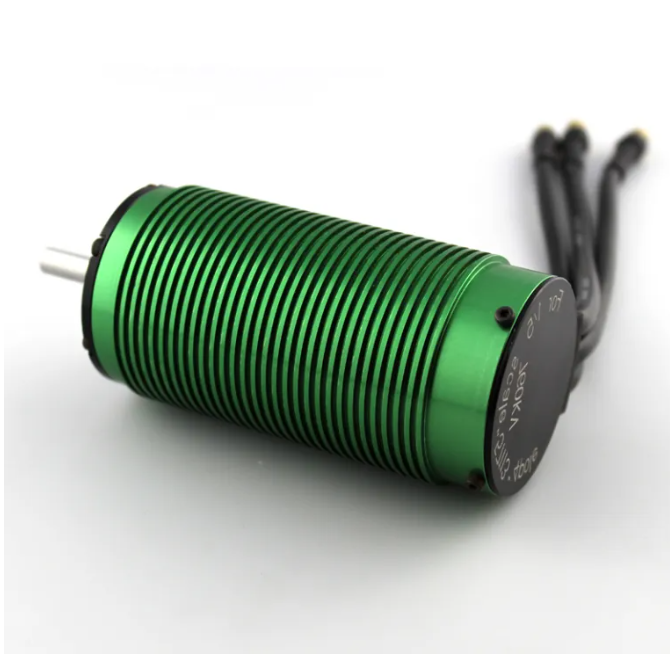
Match the Motor to the Drone Type
Different drones require different performance characteristics. Racing drones typically use high-KV motors to achieve explosive acceleration and rapid response, while aerial photography drones prefer low-KV motors for smooth, stable and energy-efficient flight. For long-range FPV builds, choose motors with moderate KV and high torque to maintain endurance and control over long distances. Knowing your drone’s purpose is the starting point for motor selection.
Understand the Role of KV Value
KV indicates how many RPM the motor produces per volt. Higher KV means faster spinning but lower torque, while lower KV means slower spinning but stronger torque. High-KV motors suit lightweight, high-speed drones; low-KV motors pair better with heavy payloads or large propellers. For example, a 5-inch FPV racing drone often uses 2300–2800KV motors, whereas a 7-inch long-range drone may use 1500–1900KV for efficiency.
Choose the Right Motor Size
Motor size is usually expressed as four digits, such as 2207 or 2806.5. The first two digits indicate the stator diameter; the last two indicate stator height. Larger stators produce more torque but also consume more power. For 5-inch FPV drones, 2207, 2208 or 2306 motors are common. Larger drones using 6–7 inch props often need motors such as 2507, 2806.5 or similar to achieve stable thrust output.
Consider Propeller Compatibility
Motor and propeller must match. High-KV motors require smaller propellers to avoid excessive current draw, while low-KV motors can efficiently drive larger propellers. Always check the motor’s recommended propeller size and battery voltage. Improper pairing may cause overheating, reduced flight time or even ESC failure.
Check Build Quality and Durability
Motor quality determines stability and lifespan. Good brushless motors use balanced rotors, high-precision bearings, strong magnets and durable shafts. A well-built motor runs smoothly with less vibration, improves flight control and withstands crashes better. For FPV drones, durability is especially important due to frequent high-speed impacts.
Evaluate Power Efficiency
A motor’s efficiency affects flight time and thermal performance. Efficient motors draw less current at the same thrust level, making them ideal for long-range drones and aerial photography platforms. Many manufacturers provide thrust and efficiency curves—these charts help you compare performance under different loads and voltages.
Choose a Reliable Brand
Reputable brands offer stable quality, consistent performance and accessible spare parts. For beginners and professionals, choosing a brand known for engineering precision and reliability helps avoid unnecessary risks. Good after-sales service and clear specifications also make tuning and matching components easier.
Conclusion
Choosing a drone brushless motor involves balancing KV value, size, thrust, efficiency and intended use. Whether you are building a racing drone, long-range system or aerial photography platform, a well-matched motor improves flight performance and overall reliability. Understanding these key selection principles ensures you pick a motor that truly fits your drone’s needs and enhances your flying experience.