
In the commercial drone industry, the power system is the core component that determines flight performance, operational safety and mission reliability. Brushless motors, known for high efficiency, low maintenance and stable output, have become the mainstream choice in most industrial-grade UAV platforms. To ensure drones perform optimally in inspection, mapping, logistics, security and other scenarios, it is essential to understand the key indicators of brushless motors. Below are six critical performance dimensions that guide the selection of power systems for commercial drones.
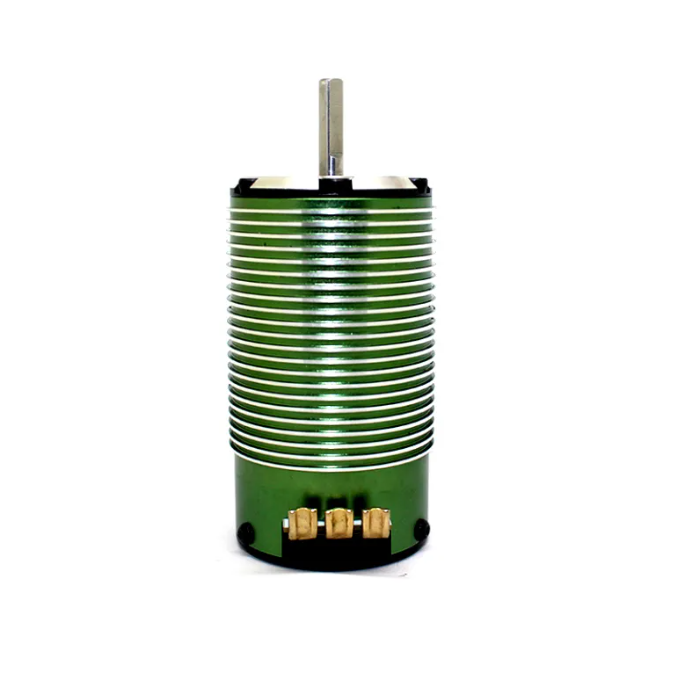
KV Rating: The Foundation of Speed and Load Capability
The KV rating indicates the motor’s no-load RPM per volt. Commercial drones typically require stable, controllable power with sufficient load capacity, making low-KV motors the preferred choice. These motors deliver higher torque, smoother control and improved efficiency. Their ability to drive larger propellers also makes them especially suitable for mapping and logistics applications.
Torque Output: Determines Climbing Power and Wind Resistance
Torque directly affects a drone’s performance during vertical takeoff, heavy-load operation and upwind flight. High-torque motors can drive larger-diameter or higher-pitch propellers, ensuring stable thrust during long-endurance missions and high-altitude operations. For tasks that require extended hovering—such as security patrols or pipeline inspections—stable torque output is particularly important.
Efficiency: Impacts Flight Time and Operational Cost
The endurance of a commercial drone is closely tied to motor efficiency. A high-efficiency motor produces the same thrust at lower current draw, extending battery life, reducing heat buildup and improving mission productivity. For long-route mapping or multi-point inspection flights, motor efficiency directly influences the number of missions that can be completed and overall operating costs.
Thermal Performance: Ensures Safety Under High Load
During long flights or when carrying professional payloads, motor temperature tends to rise continuously. High-quality motors improve heat dissipation through optimized stator structure, enhanced coil ventilation or better heat-conductive housings. Good thermal design reduces energy loss and prevents issues such as magnet demagnetization or coil aging, providing stable operation for commercial-grade drones.
Bearing Quality: Affects Vibration Control and Lifespan
Bearings are crucial for smooth motor operation. Commercial drones require excellent vibration resistance and long-duration reliability. High-grade bearings reduce vibration and improve propeller stability, which enhances imaging quality, sensor accuracy and overall system lifetime. For multi-rotor platforms, bearing durability is especially important due to the constant high-frequency rotation.
Structural Strength and Craftsmanship: Influences Durability and Reliability
Commercial drones often operate in challenging environments such as strong winds, dust, high humidity or occasional minor collisions. The motor’s housing material, winding craftsmanship and magnet-fixing structure all influence its robustness. Motors designed with tighter structural tolerances and better workmanship remain stable over long operational cycles and withstand harsher conditions.
Conclusion
Brushless motors are the heart of commercial drone power systems. The six indicators—KV rating, torque, efficiency, thermal performance, bearing quality and structural strength—collectively determine flight performance and mission reliability. For commercial drones that demand stable operation, long endurance and strong load capacity, choosing a professional-grade power system is not only about performance but also about ensuring mission safety. Understanding these core indicators will help organizations make more informed decisions when selecting or upgrading UAV platforms.