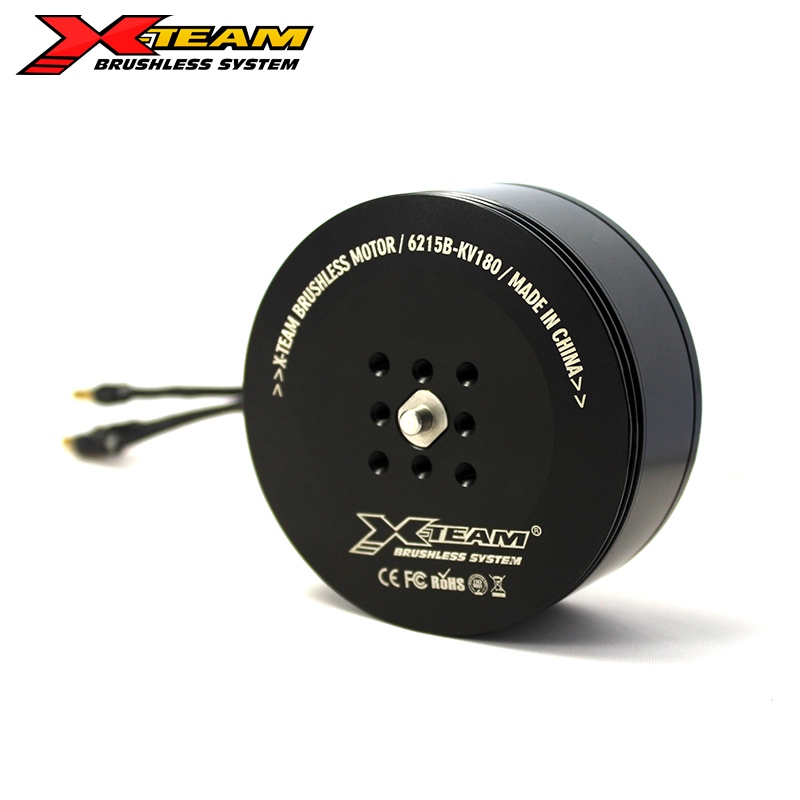
As performance requirements for FPV (First Person View) drones continue to rise, brushless motors—being the core power component—play a decisive role in flight stability, efficiency, and overall control. Among the many manufacturing regions, Taiwanese FPV brushless motors have gained strong recognition worldwide thanks to their high manufacturing precision, high-quality magnetic materials, and strict balancing processes. This article provides a detailed comparison from three key perspectives.

Precision Advantage: Manufacturing Accuracy Drives Consistent Performance
Taiwanese FPV brushless motors are well known for tight tolerances in stator slot machining, rotor roundness, and shaft alignment. High-precision manufacturing delivers several tangible benefits:
Reduced vibration and noise: Precise internal clearances allow smoother rotation, minimizing mechanical vibration and unwanted noise.
Higher efficiency and faster throttle response: Accurate alignment between stator and rotor reduces energy loss, improving responsiveness—especially important for racing and aggressive freestyle flying.
Extended motor lifespan: Proper shaft alignment and precise bearing installation reduce wear, helping motors maintain long-term reliability.
Compared with low-cost mass-produced alternatives, Taiwanese manufacturers place greater emphasis on machining accuracy and assembly consistency, resulting in more predictable and stable motor performance.
Magnet Quality Comparison: Stronger Magnetic Fields, Better Thrust
Magnet quality is a critical factor in brushless motor performance. Many Taiwanese FPV motors use high-grade neodymium iron boron (NdFeB) magnets, offering clear advantages:
High magnetic energy density (BHmax): Stronger magnetic fields allow the motor to generate higher torque and thrust, especially noticeable on 5-inch and larger FPV drones.
Stable magnetic performance: Premium magnets maintain their magnetic strength better under high temperatures and prolonged operation, ensuring consistent power output.
Advanced coating and oxidation resistance: Epoxy or specialized surface coatings improve durability and resistance to corrosion, extending service life.
Compared with standard or lower-grade magnets used in budget motors, high-quality NdFeB magnets significantly improve throttle response, efficiency, and thermal stability.
Balancing Quality: Strict Testing Before Leaving the Factory
Motor balancing is a critical quality indicator for FPV applications. Taiwanese brushless motors typically undergo multiple balancing steps before shipment:
Static rotor balancing: Detects uneven mass distribution in a stationary rotor, reducing startup vibration.
Dynamic balancing: Adjusts mass distribution during high-speed rotation to ensure smooth operation at full throttle.
Final assembly testing: Fully assembled motors are tested under high RPM conditions to verify axial play, clearance, and overall balance.
These processes help minimize vibration during flight, reduce interference with flight controller sensors, and improve flight stability—especially important for smooth FPV video and precise control.
Overall Performance and Market Feedback
Thanks to the combined strengths in precision, magnet quality, and balancing, Taiwanese FPV motors deliver strong real-world performance:
Linear and responsive power delivery, particularly on 4S and 6S setups
Lower operating temperatures, reducing stress on ESCs and batteries
High consistency between units, making tuning and motor matching easier for pilots
Market feedback indicates that Taiwanese motors are well suited for racing, freestyle flying, and applications where vibration control and reliability are critical.
Practical Tips for Choosing Taiwanese FPV Motors
When selecting Taiwanese FPV brushless motors, pilots should focus on:
KV rating matched to flying style: Lower KV for efficiency and control, higher KV for aggressive racing performance
Motor size and battery compatibility: Common sizes such as 2207 or 2306 are widely used on 5-inch frames with both 4S and 6S batteries
Brand reputation and support: Established Taiwanese brands often provide better quality control and long-term reliability
Conclusion
Overall, Taiwanese FPV brushless motors stand out due to their high manufacturing precision, premium magnetic materials, and rigorous balancing processes. These advantages translate into smoother operation, stronger and more consistent power output, and improved durability. For FPV pilots seeking performance upgrades and long-term reliability, Taiwanese motors remain a strong and well-justified choice.