
In the world of RC models, drones, and electric vehicles, a motor’s KV rating directly affects its speed and torque. While low KV motors have lower top speeds, they offer higher torque, making them suitable for specific applications. In racing scenarios, a low KV motor’s performance is not inherently disadvantageous—it depends on the track type, power setup, and overall design. This article explores the characteristics of low KV motors, their performance in racing, and tips for optimizing them for competitive use.
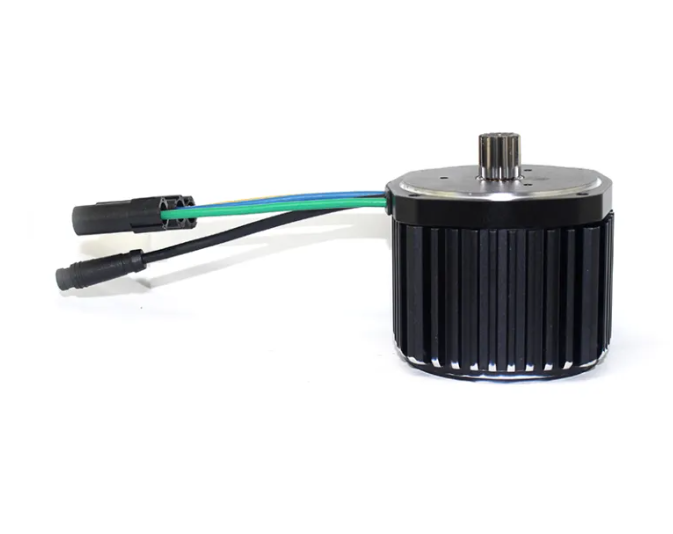
Characteristics of Low KV Motors
The KV rating indicates the motor’s RPM per volt (RPM/V). Low KV motors, typically in the 200–1000 KV range, have several advantages:
Low Speed, High Torque
These motors deliver stable output and strong starting and pulling power, making them ideal for high-torque applications.
Durability
Low KV motors place less demand on ESCs and batteries, reducing the risk of overheating during extended runs.
Stable Efficiency
Under heavy loads, low KV motors maintain high efficiency and minimize energy loss.
Low KV Motors in Racing
A low KV motor’s racing performance largely depends on the type of track:
Straight-line acceleration
Low KV motors have lower RPM, making it difficult to reach top speeds. Tracks that prioritize short, straight-line sprints are better suited to high KV motors.
Cornering and endurance races
High torque and stable output allow low KV motors to handle tight turns and uphill sections effectively.
Battery matching
Using higher voltage or larger capacity batteries can partially increase the motor’s overall speed, but the ESC and motor ratings must still be respected.
In summary, low KV motors perform well in racing scenarios that emphasize stability and control, while high KV motors excel in straight-line speed competitions.
Optimization Strategies for Low KV Racing Motors
Even low KV motors can be optimized for racing performance through several strategies:
Gear Ratio Adjustment
Changing the transmission gear ratio can increase wheel speed while maintaining sufficient torque.
Battery Configuration
Higher voltage batteries can boost RPM, but it’s important to stay within the safe limits of the ESC and motor.
Reducing Load Resistance
Lightweight chassis, low-friction tires, and properly lubricated drivetrain components maximize the motor’s efficiency.
Cooling Solutions
During extended high-load racing, low KV motors can still overheat. Installing heatsinks or small fans helps maintain consistent output.
Motor Selection Recommendations
Short straight-line tracks: Opt for high KV motors to achieve maximum speed.
Corner-heavy or endurance tracks: Low KV motors provide stability and easier handling.
Mixed tracks: Mid-range KV motors balance speed and torque, suitable for versatile courses.
In addition to KV value, ESC matching, battery capacity, and gear ratio are key factors for competitive performance with low KV motors.
Conclusion
Low KV motors are not inherently unsuitable for racing. They excel in scenarios requiring high torque, tight corner handling, and endurance, while straight-line speed races are better suited for high KV motors. By adjusting gear ratios, optimizing battery setup, and ensuring proper cooling, low KV motors can deliver stable and efficient racing performance. Selecting the right KV rating and applying optimization strategies ensures the best balance between speed and control for RC racing models.