
With the rapid development of smart manufacturing, industrial robotics, electric vehicles, and automated equipment, the sensored motor industry is entering an unprecedented growth phase. As a core solution for high-precision drives, sensored motors are widely adopted in industrial automation and high-end equipment due to their real-time position feedback, smooth low-speed performance, and high dynamic response. Over the next five years, the global sensored motor market is expected to maintain steady growth and exhibit notable trends in technological innovation, market application, and industry structure.
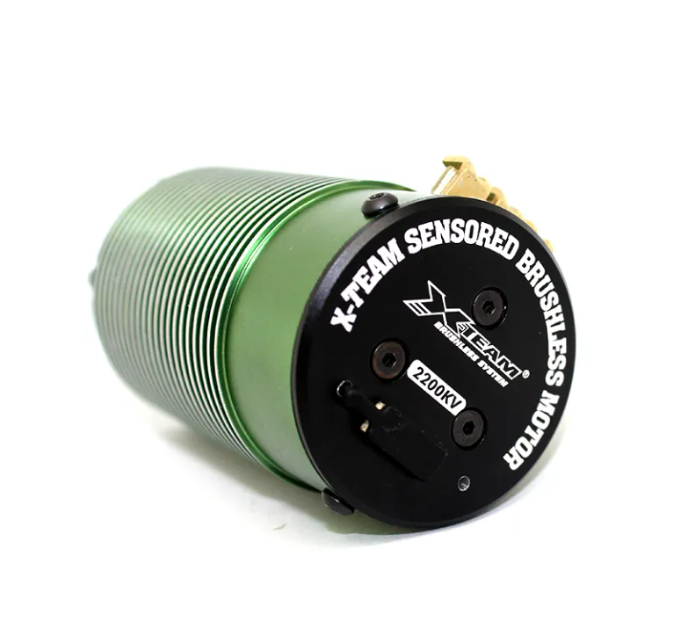
First, technological innovation will remain the primary driver of industry growth. Advances in semiconductor drivers, digital control algorithms, and high-performance sensor technology will continue to improve the precision, efficiency, and reliability of sensored motors. For instance, advanced encoders and Hall sensors can provide millisecond-level position feedback, and when combined with intelligent control algorithms, allow motors to maintain stable output even at very low or zero speeds. This capability not only meets the high-precision demands of industrial robotic joints but also provides reliable power support for collaborative robots, medical devices, and smart logistics systems.
Second, the diversification of application scenarios will accelerate market demand. Beyond traditional industrial automation, sensored motors are increasingly used in electric vehicles, power tools, smart home devices, and aerospace applications. Electric vehicles, in particular, require precise torque response and energy management, areas where sensored motors excel due to their real-time feedback capabilities. At the same time, the growing smart home and service robot markets are driving demand for smaller, quieter, and highly responsive sensored motors. This multi-sector adoption is expected to further expand the global market size.
Third, industry structure optimization and supply chain upgrades will become key trends. As demand grows across Asia, Europe, and North America, motor manufacturers are enhancing localized production and R&D capabilities while promoting coordinated development in raw material supply, sensor production, and driver technology. The declining cost of high-performance permanent magnets, coupled with improvements in encoder and sensor precision, will reduce overall system costs, making sensored motor solutions more accessible and cost-effective for a wider range of enterprises.
Additionally, intelligent and digital integration will significantly reshape the industry landscape. Over the next five years, sensored motors will increasingly integrate with the Internet of Things (IoT) and artificial intelligence to enable adaptive control and remote monitoring. Through real-time data collection and cloud-based analysis, motors can automatically optimize torque output based on load changes, improving energy efficiency and reducing failure rates. This “smart drive” capability not only enhances system reliability but also strengthens manufacturers’ ability to respond quickly to customer needs, creating new competitive advantages.
Safety and sustainability will also be major areas of focus. High-end applications, such as medical robots, aerospace equipment, and collaborative robots, demand strict operational safety. Sensored motors, with real-time position feedback and multi-level protection mechanisms, can effectively prevent overloads, stalls, and abnormal operating conditions. At the same time, the global industry is promoting greener manufacturing practices by optimizing motor materials and production processes to reduce energy consumption and meet higher environmental standards, which will become another key competitive factor.
Overall, the global sensored motor industry is expected to experience accelerated technological upgrades, expanded application areas, optimized supply chains, strengthened intelligent control, and a focus on safety and environmental sustainability over the next five years. As manufacturing continues to evolve toward high precision, reliability, and intelligence, sensored motors will increasingly occupy a central role, driving growth in market share and technological capabilities. Whether in industrial automation, robotics, electric vehicles, or smart equipment, sensored motors will remain indispensable, leading the next wave of precision drive technology worldwide.