
In automation equipment, drones, medical instruments, and intelligent manufacturing systems, motors play a crucial role in providing power. As modern devices demand higher efficiency, better stability, and smaller sizes, brushless DC motors have gradually become a core drive solution in many applications. Compared with traditional brushed motors, brushless DC motors differ significantly in structure and operating method. They rely on electronic control for commutation rather than carbon brushes, allowing them to operate more reliably in high-speed, long-duration, and precision-control environments. From the perspective of BLDC motor knowledge, understanding the structure, operating principle, and application characteristics of brushless DC motors helps explain their importance in modern equipment.
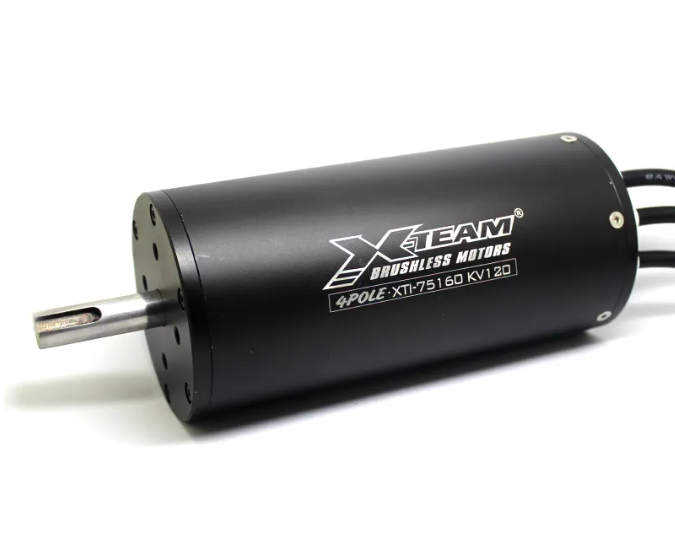
Basic Structure of a Brushless DC Motor
The stable operation of a brushless DC motor is closely related to its internal structural design. Several key components work together to ensure reliable performance.
- Stator structure: The stator is usually composed of a laminated iron core and multi-phase windings. When the control system supplies current to the windings, a changing electromagnetic field is generated inside the stator, providing the fundamental driving force for motor operation.
- Rotor structure: The rotor typically contains permanent magnets. When the stator produces a rotating magnetic field, the rotor begins to rotate under magnetic force, converting electrical energy into mechanical power.
- Electronic control system: A brushless DC motor relies on an electronic controller to switch the current between windings, a process known as electronic commutation. The controller continuously adjusts the energizing sequence of the windings to keep the motor rotating smoothly.
- Position detection method: To ensure accurate commutation timing, the motor may use Hall sensors, optical sensors, or sensorless control technology to determine the rotor position and maintain stable operation.
Operating Method of a Brushless DC Motor
Unlike traditional motors, brushless DC motors rely on an electronic control system to perform current switching. When the controller sends current to the stator windings in a specific sequence, a rotating magnetic field is generated inside the motor. As the magnetic field continuously changes, the permanent magnets in the rotor are attracted and follow the direction of the magnetic field, producing continuous rotational motion.
During operation, the control system constantly adjusts the energizing sequence according to the rotor position. This process keeps the magnetic field changing in a controlled pattern, allowing the motor to maintain smooth and stable rotation. Because electronic commutation replaces mechanical contact, energy loss caused by friction is reduced, enabling the motor to maintain high efficiency and stability even at high speeds.
Application Characteristics of Brushless DC Motors
With the advancement of motor technology, brushless DC motors are widely used in many fields. Their advantages are reflected in several aspects.
- High efficiency: Reduced mechanical friction and lower energy loss allow more electrical energy to be converted into mechanical output.
- Stable operation: Electronic commutation minimizes vibration during operation, making these motors suitable for precision equipment.
- Lower maintenance requirements: Without carbon brushes, internal wear is significantly reduced, which decreases the frequency of maintenance.
- Suitable for high-speed applications: In systems requiring high rotational speed and rapid response, brushless motors can maintain stable performance, making them widely used in drones, automation equipment, and precision instruments.
Brushless DC motors achieve current commutation through electronic control, reducing mechanical wear while maintaining high efficiency. As automation systems and intelligent equipment continue to develop, the use of brushless DC motors is expanding across industrial machinery, drones, medical devices, and precision instruments, providing reliable power for a wide range of modern technologies.