
In aerial photography drone systems, brushless DC motors (BLDC motors) are the core power components that directly determine flight stability, thrust response, and overall service life. Compared with traditional brushed motors, brushless motors offer higher efficiency, lower heat loss, and significantly longer lifespan, making them the standard choice for aerial photography multirotors and industrial drone platforms. Based on the application scenarios covered by X-TEAM’s brushless motor portfolio, this article evaluates commonly used aerial photography drone motors from the perspectives of stability and durability, providing practical guidance for motor selection.
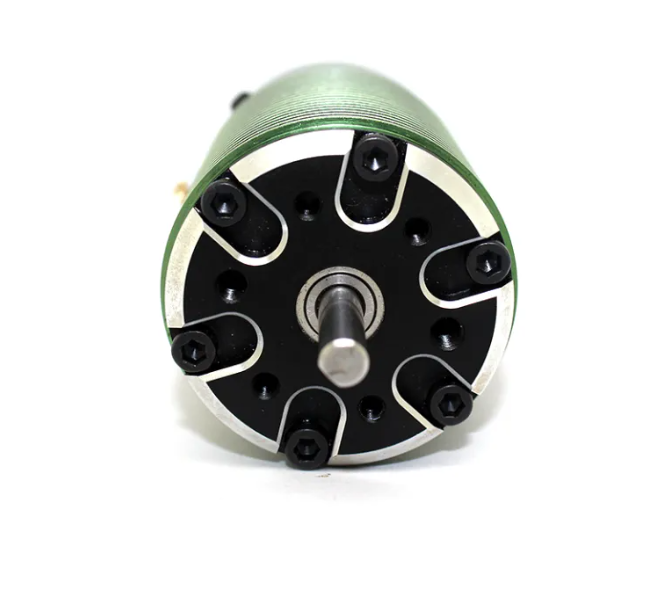
Why Brushless Motors Are the Preferred Choice for Aerial Photography
Brushless motors eliminate carbon brushes and mechanical commutators, which greatly reduces friction, wear, and electrical noise. This structural advantage allows motors to maintain consistent performance over long operating periods while improving energy conversion efficiency. For aerial photography drones, smooth thrust output is essential for stable hovering, precise attitude control, and vibration-free imaging.
X-TEAM focuses on the design and manufacturing of high-quality BLDC motors for multirotor and industrial applications. With strict production standards and international certifications, these motors are engineered to meet the reliability and consistency requirements of long-duration aerial photography missions.
Stability Evaluation: Thrust Consistency and Thermal Performance
Flight stability is closely related to a motor’s ability to deliver continuous and linear thrust under varying loads. Motors with inconsistent torque output can cause frequent corrections by the flight controller, leading to oscillations or micro-vibrations that affect image quality.
Brushless motors designed for aerial photography typically feature optimized stator magnetic circuits and efficient winding layouts. These design elements help maintain smooth torque output and reduce sudden RPM fluctuations during hovering, directional changes, and wind disturbances. Stable thrust behavior allows the flight controller to perform more precise adjustments, resulting in smoother flight and improved camera stability.
Thermal management is another key factor. Motors that dissipate heat efficiently can sustain long flight times without excessive temperature rise. Reduced heat buildup not only improves stability during extended operations but also helps protect internal components from accelerated aging.
Service Life Evaluation: Materials and Manufacturing Quality
The service life of a brushless motor is strongly influenced by bearing quality, material selection, and manufacturing precision. High-quality bearings reduce mechanical friction and vibration, which directly affects long-term reliability. Motors intended for aerial photography often use precision bearings to ensure smooth rotation and consistent performance over extended flight hours.
In addition, advanced manufacturing processes and strict quality control help minimize internal tolerances and structural imbalance. This reduces mechanical stress during operation and contributes to longer motor lifespan. Durable magnetic materials and heat-resistant windings further enhance reliability, especially for drones operating in demanding environments or under continuous load.
Application Scenarios and Motor Selection Considerations
Different aerial photography platforms place different demands on motor performance, making proper selection essential:
Lightweight and portable aerial photography drones
These platforms benefit from lightweight motors with fast response and smooth low-throttle behavior, supporting stable short-range filming and precise control.
Medium to large payload drones
Motors with lower KV values and larger stator sizes are commonly preferred, as they provide higher torque and improved efficiency when paired with larger propellers. This configuration enhances stability, endurance, and wind resistance.
Professional and industrial aerial photography platforms
Long-duration missions require motors with consistent thrust output, excellent thermal performance, and high durability to ensure reliable operation throughout extended flights.
X-TEAM’s multirotor motor series is designed to cover these application ranges, offering options optimized for different payload capacities, voltage systems, and endurance requirements.
Stability and Longevity Through Proper Matching
Even high-quality motors must be properly matched with the drone’s overall system to achieve optimal performance. Selecting a motor that operates well below its maximum rated output during cruise flight helps reduce thermal stress and mechanical wear. Proper pairing with electronic speed controllers (ESCs) and propellers further improves efficiency and stability.
For aerial photography drones, it is generally recommended to prioritize motors that deliver sufficient thrust with moderate operating temperatures rather than pushing motors close to their performance limits. This approach supports smoother flight behavior and significantly extends service life.
Maintenance Awareness for Long-Term Performance
Maintaining stable motor performance over time also depends on correct usage and routine inspection. Monitoring motor temperature, listening for abnormal noise, and checking for vibration can help detect early signs of wear. Ensuring correct propeller installation and keeping motors free from dust or debris further supports consistent thrust output and durability.
Conclusion
Brushless motors are a critical factor in achieving stable, reliable, and long-lasting performance in aerial photography drones. By focusing on thrust consistency, thermal management, material quality, and proper system matching, users can significantly improve flight stability and extend motor service life. X-TEAM’s BLDC motor solutions are designed to support a wide range of aerial photography platforms, providing dependable power output for smooth flight and long-term operational reliability.