
Battery life is one of the most important concerns for RC airplane, RC car, and RC boat enthusiasts. Many users find that even after upgrading to higher-capacity batteries, operating time remains limited. In most cases, the root cause is not the battery itself but the efficiency of the power system. As the core power component of RC models, brushless motor efficiency directly determines overall power consumption. By optimizing motor operation, it is possible to significantly extend runtime without increasing battery weight.
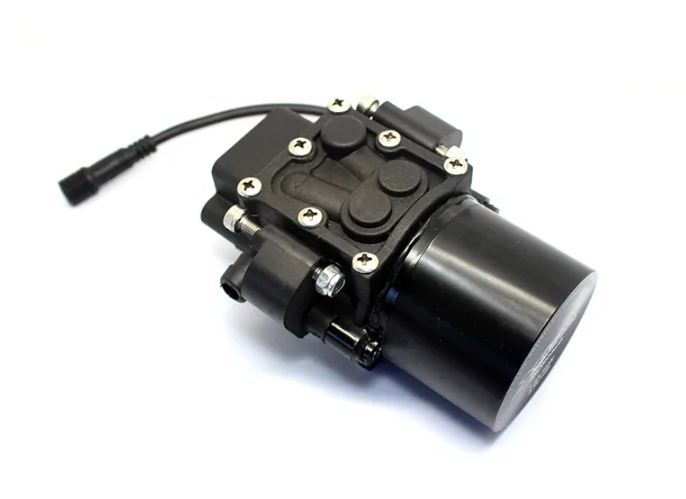
Relationship Between Brushless Motor Efficiency and Power Consumption
Compared with brushed motors, brushless motors offer lower friction loss, reduced heat generation, and longer service life. However, they are not automatically power-saving in every scenario. In real applications, efficiency is influenced by operating speed range, load matching, and electronic speed controller (ESC) settings. When a motor operates outside its optimal efficiency range, power consumption increases and excess heat further reduces performance.
Selecting the Appropriate KV Rating
The KV rating indicates a motor’s no-load speed per volt. A higher KV value does not necessarily mean better performance. Motors with excessively high KV often run at high speed and low torque, requiring higher current to maintain load, which increases power draw. Selecting a KV rating that matches the model type and application allows the motor to operate within its high-efficiency range, improving energy utilization.
Optimizing Propeller or Gear Ratio Matching
Output-side matching has a major impact on power efficiency. For RC aircraft and boats, oversized propeller diameter or pitch increases motor load and current draw, while undersized props reduce efficiency. For RC cars, improper gear ratios can cause motor overload during acceleration. Proper matching ensures adequate power while maintaining lower average current consumption.
Fine-Tuning Electronic Speed Controller Settings
The ESC does more than regulate speed; it also affects system efficiency. Smooth startup curves, appropriate braking strength, and correct timing angle settings help reduce energy loss. Aggressive acceleration settings cause sudden high current draw, increasing power consumption and motor temperature. Moderate ESC parameters allow smoother, more efficient power delivery.
Managing Operating Temperature to Improve Efficiency
At elevated temperatures, motor winding resistance increases, reducing efficiency. Effective cooling solutions—such as improved airflow, heat sinks, or motor mounts—help keep the motor within an optimal temperature range. Proper thermal management not only reduces power consumption but also extends motor and ESC lifespan.
Improving Driving and Control Habits
User operation plays a key role in power efficiency. Frequent rapid acceleration and hard braking force the motor to repeatedly operate at high current levels. Smooth throttle control and maintaining efficient cruising speeds help keep the motor within its optimal operating zone. Adjusting driving style based on usage scenarios can significantly extend runtime.
Reducing Mechanical Loss Through Maintenance
Worn bearings and increased drivetrain resistance cause the motor to consume additional energy for the same output. Regular inspection of bearings, proper lubrication, and keeping transmission components clean help minimize mechanical losses and improve overall efficiency.
Conclusion
Making RC models more power-efficient does not rely solely on higher battery capacity but on systematic efficiency optimization. By selecting appropriate brushless motor parameters, optimizing drivetrain matching, adjusting ESC settings, and improving driving habits, users can significantly extend runtime without sacrificing performance. For RC enthusiasts seeking stable and long-lasting performance, improving brushless motor efficiency is one of the most effective and economical approaches.