
For beginners entering the world of FPV drones, motor selection is often overlooked compared with frames or video systems. In reality, motors play a critical role in flight stability, control feel, and the difficulty of tuning. Choosing the right motor helps beginners build confidence quickly, while a poor choice can lead to excessive vibration, unstable flight, and frequent crashes. So, what kind of FPV motor is truly “stable” for beginners? This guide explains key parameters and budget considerations in a clear, practical way.
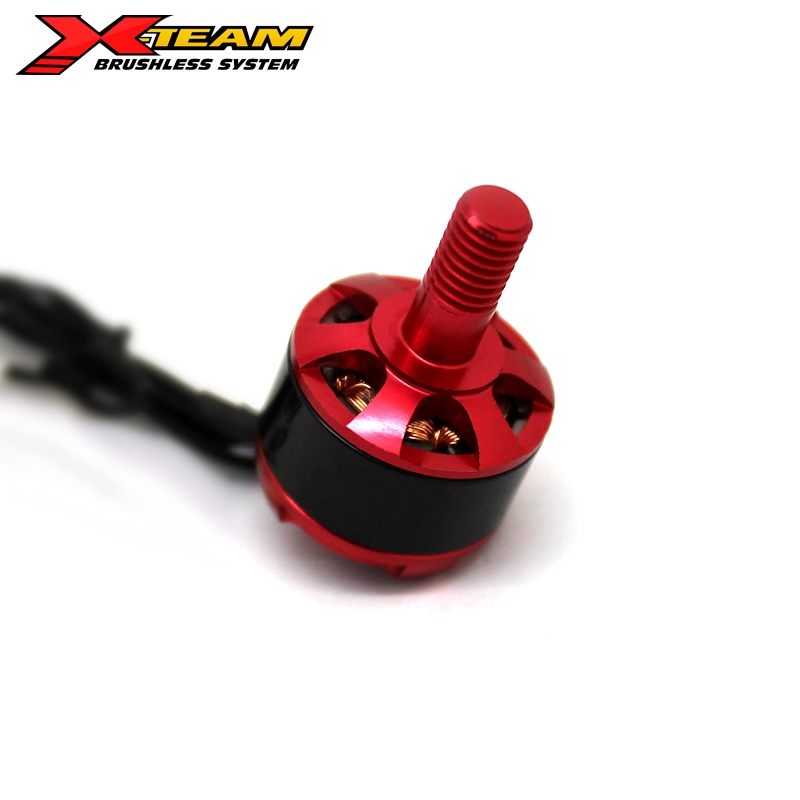
Why Motor Stability Matters So Much for Beginners
At the beginner stage, stick control is usually inconsistent, and throttle input can easily be overdone. If the motor delivers power too aggressively, small mistakes are amplified, causing sudden acceleration, altitude jumps, or shaky footage. A stable motor, on the other hand, provides smooth and predictable power output, giving the flight controller more room to correct attitude and making the aircraft easier to control. This forgiving behavior is especially important when learning basic maneuvers and throttle management.
Key Motor Parameters Beginners Should Focus On
FPV motor specifications may look complicated, but beginners only need to understand a few core parameters.
The first is motor size. For 5-inch FPV drones, common motor sizes include 2207 and 2306. These numbers refer to the stator diameter and height. Larger stators generally produce more torque. For beginners, 2207 motors strike an excellent balance between power, efficiency, and smoothness. They provide enough torque for stable control without feeling overly aggressive.
The second key parameter is KV rating. KV indicates how fast the motor spins per volt. Higher KV means higher RPM, but also more sensitive throttle response. Motors with excessively high KV can make the drone feel twitchy, especially for new pilots. A moderate KV range offers smoother throttle control and a wider margin for error, which is exactly what beginners need.
The third factor is overall build quality. Bearing quality and motor balance have a direct impact on vibration levels. Less vibration means cleaner gyro data for the flight controller, resulting in smoother flight and easier PID tuning. For beginners, low vibration is often more valuable than peak performance.
Recommended Stable Motor Direction for Beginners
Based on real-world flying experience, beginners are best served by a 5-inch setup using 2207-size motors with a KV range around 2200 to 2400. This combination provides sufficient thrust while maintaining smooth, linear throttle response. The drone feels predictable and controllable, making it easier to practice basic freestyle, cruising, and orientation skills.
If a beginner prefers a more conservative flying style or values longer flight time and smoothness, choosing the lower end of the KV range can further improve stability. High-performance motors can always be upgraded later once flying skills improve.
How to Choose a Reasonable Budget
Budget is another important factor for beginners. Very cheap motors often suffer from poor bearings and imbalance, leading to excessive vibration and inconsistent performance. While they may seem cost-effective, they often increase tuning difficulty and reduce overall flying enjoyment.
On the other hand, starting with premium motors can be unnecessary and stressful, especially when crashes are frequent during the learning phase. For most beginners, mid-range motors offer the best balance. They provide reliable build quality, smoother operation, and acceptable durability without being overly expensive. This makes them ideal for learning and regular practice.
Additional Tips to Improve Overall Stability
Even with the right motors, overall stability depends on the entire setup. High-quality propellers, a rigid frame, and properly matched ESCs all contribute to smooth flight. After every crash, checking motors for smooth rotation, shaft bending, or unusual noise helps prevent small issues from becoming serious problems.
Conclusion
For FPV beginners, the goal is not maximum power but stable, controllable, and forgiving flight behavior. Choosing motors with moderate size, non-aggressive KV, and reliable build quality within a sensible budget greatly reduces the learning curve. By focusing on stability first, beginners can build solid fundamentals and enjoy a smoother path toward faster and more advanced flying.