
Excessive vibration is a common yet often overlooked issue during drone operation. Whether for aerial photography drones, industrial UAVs, or agricultural drones, abnormal vibration can seriously affect flight stability, image quality, and overall service life. Among the various causes, motor imbalance is one of the most significant factors. This article explains the main causes of excessive drone vibration and focuses on effective motor balancing methods and calibration techniques.
Common Causes of Excessive Drone Vibration
Drone vibration is rarely caused by a single issue. Instead, it usually results from a combination of factors such as motor imbalance, deformed or improperly installed propellers, motor shaft misalignment, and bearing wear after prolonged use.
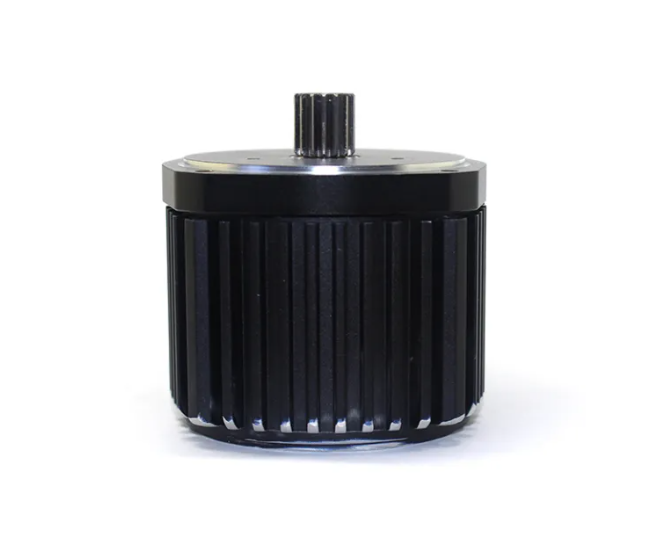
When a motor rotor has uneven mass distribution, centrifugal force is generated at high rotational speeds, leading to noticeable vibration. This vibration is transmitted through the drone arms to the flight controller, gimbal, and airframe, creating a chain reaction that affects overall performance.
Impact of Motor Imbalance on Drone Performance
Motor imbalance does more than cause visible shaking. Continuous vibration can interfere with flight controller sensor data, resulting in unstable attitude control. For aerial photography drones, vibration often leads to the well-known “jello effect,” significantly degrading video and image quality.
In addition, long-term vibration accelerates fatigue damage to motor bearings, ESC solder joints, and structural components, increasing maintenance costs and shortening the drone’s operational lifespan.
Basic Principles of Motor Balancing
The primary goal of motor balancing is to ensure uniform mass distribution during rotation, allowing the motor’s center of mass to align with the rotational axis. This minimizes centrifugal forces and reduces vibration.
In drone applications, motor balancing is generally divided into static balancing and dynamic balancing. Static balancing is suitable for low-speed checks, while dynamic balancing more accurately reflects real flight conditions and plays a critical role in improving flight quality.
Common Motor Balancing Methods
In practice, the most common approach is balancing the motor together with the propeller. Using a propeller balancer, users can detect weight differences between propeller blades and make adjustments by sanding or applying small balancing stickers.
If noticeable vibration persists, fine adjustments can be made to the motor rotor itself, provided that cooling performance is not compromised. Although many high-end drone motors are dynamically balanced at the factory, rechecking balance after long-term use is still recommended.
Motor Calibration and Installation Tips
Beyond balancing, proper motor installation and calibration are equally important. Motors should be securely mounted to the drone arms, with no loose screws or uneven mounting surfaces. The motor shaft must be aligned vertically to prevent additional vibration caused by misalignment.
After hardware adjustments, flight controller calibration should be performed, including accelerometer and gyroscope calibration. This ensures the system can accurately detect and filter any remaining vibration.
Practical Tips to Prevent Drone Vibration
To minimize vibration issues, regularly inspect motors and propellers and avoid using blades with cracks or deformation. After high-load operations or flights in harsh environments, pay special attention to motor bearings and mounting structures.
Choosing high-quality brushless motors that have undergone dynamic balancing during manufacturing is also an effective way to reduce vibration at the source.
Conclusion
Excessive drone vibration is not an unsolvable problem. Through proper motor balancing methods and calibration techniques, flight stability can be significantly improved, component lifespan extended, and overall user experience enhanced. Whether for routine maintenance or performance optimization, paying close attention to motor balance is an essential step for every drone operator.