
In the world of RC models—whether RC cars, boats, drones, or electric underwater equipment—the motor is the core component. However, many hobbyists choose motors based only on price, brand, or KV rating, while ignoring whether the motor actually matches the application. As a result, the model may “work,” but perform poorly. In reality, choosing the wrong motor can cause far more serious problems than just reduced performance.
Below are five common consequences of incorrect RC motor selection, based on real-world experience.
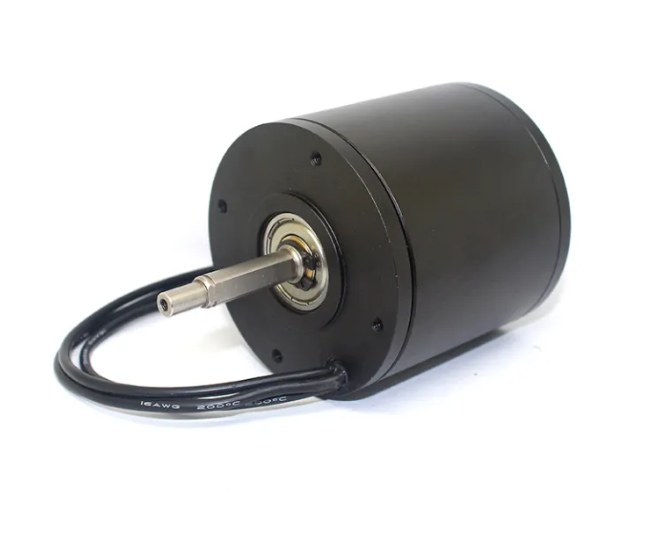
Excessive Noise That Ruins the Experience
One of the most noticeable signs of a poorly matched motor is abnormally high noise.
Common causes include:
Using a high-KV motor to drive a heavy load
Insufficient motor power for the model’s weight
Poor matching between the motor and drivetrain (gears, couplers, shafts)
When a motor is constantly under strain, it often produces whining sounds, vibrations, or irregular noise. This not only affects driving comfort but can also interfere with racing, filming, or precision operations.
Frequent Overheating and Shortened Motor Life
Overheating is one of the most common and dangerous results of choosing the wrong motor.
If a motor is too small or lacks sufficient torque for the load, it will draw excessive current, leading to:
Rapid temperature rise in the windings
Demagnetization of the magnets
Bearing lubrication failure
Long-term overheating significantly shortens motor life and may trigger ESC protection, sudden power loss, or even complete motor and ESC failure.
Insufficient Power and Poor Acceleration
Many users encounter this issue:
“The specs look good, but the model feels weak.”
This is often caused by a mismatch between motor torque and the application. For example:
Using a high-KV, low-torque motor in an RC crawler
Installing a speed-oriented motor in a work boat or underwater thruster
The result is slow starts, weak climbing ability, or insufficient thrust in water. In most cases, the problem is not motor quality—it is simply the wrong type of motor for the job.
Abnormally High Power Consumption and Shorter Runtime
The wrong motor also reduces overall system efficiency.
When a motor operates outside its optimal range:
Current draw increases
Battery drains much faster
Effective runtime drops significantly
This issue is especially critical for drones and RC boats, where endurance matters. Poor motor efficiency leads to frequent battery changes, higher operating costs, and reduced system stability.
Damage to Other Components and Higher Repair Costs
A motor never works alone. Incorrect motor selection often causes chain reactions throughout the system:
ESCs suffer from overcurrent stress or frequent protection events
Gears and drive shafts wear out faster due to vibration
Batteries degrade more quickly under high current loads
Many “mysterious” failures can ultimately be traced back to an improperly chosen motor. Once the damage spreads, repair and replacement costs can easily exceed the cost of selecting the right motor in the first place.
How to Avoid Choosing the Wrong RC Motor
To prevent these problems, consider the following when selecting a motor:
Define the application clearly: speed, torque, or efficiency
Balance KV and torque: don’t chase high RPM blindly
Match voltage and load: avoid sustained high-current operation
Consider motor size and power rating: same KV does not mean same torque
Optimize the entire system: motor, ESC, battery, and drivetrain must work together
Conclusion
Choosing the wrong RC motor can lead to noise, overheating, lack of power, and a cascade of secondary failures. Proper motor selection is the foundation of a stable, durable, and enjoyable RC model. Instead of focusing solely on specs or price, start with your actual usage needs—only then can your model deliver its full performance potential.