
In submersible thrusters, the BLDC motor is the core component that directly determines propulsion efficiency, maneuverability, and energy consumption. When selecting a motor, torque is one of the most discussed parameters. High-torque motors are often assumed to be superior, but in practice, choosing the right torque requires balancing performance, efficiency, and operational requirements. This article provides a detailed comparison of BLDC motor torque characteristics for submersible thrusters and analyzes whether higher torque is always the best choice.
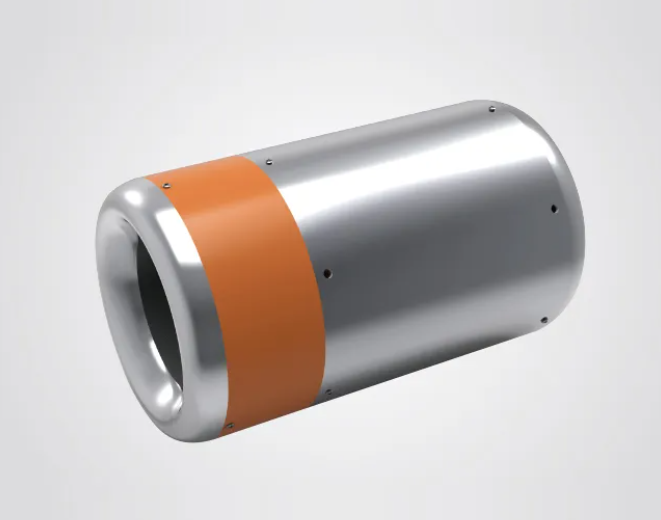
Understanding BLDC Motor Torque
Torque in a BLDC motor refers to the rotational force generated at the rotor. It determines the thrust that the motor can deliver to the propeller and ultimately affects the acceleration, speed, and load-handling capacity of the submersible. Torque is influenced by several factors, including motor design, winding configuration, supply voltage, and current.
For submersible thrusters, torque is particularly important during start-up, rapid acceleration, or when overcoming external resistance from water currents. Insufficient torque may cause sluggish performance, reduced maneuverability, or higher energy consumption under load.
Advantages of High-Torque BLDC Motors
High-torque BLDC motors offer several benefits:
Improved Acceleration and Responsiveness – Higher torque allows the thruster to quickly respond to control inputs, enabling rapid changes in speed or direction, which is critical for submersibles operating in confined or turbulent environments.
Better Load Handling – In situations with heavy payloads or strong currents, a high-torque motor can maintain consistent thrust without stalling, ensuring stability and operational reliability.
Reduced Current Draw at Low Speeds – High-torque motors can achieve the required thrust at lower rotational speeds, which may reduce wear on the propeller and improve energy efficiency for certain operating profiles.
Limitations and Trade-Offs
Despite the apparent benefits, higher torque does not automatically mean better performance. Several trade-offs must be considered:
Increased Power Consumption – High-torque motors often require higher current to operate, which can lead to greater energy usage and faster battery depletion in submersibles.
Larger Size and Weight – To achieve higher torque, motors are usually physically larger or require heavier magnets and windings, which can increase the overall weight of the propulsion system.
Heat Generation – High-torque motors may generate more heat under continuous load, requiring more effective cooling solutions, especially in compact submersible designs.
Overkill for Light Loads – For small, low-power thrusters or applications with minimal load, using a high-torque motor may be unnecessary and inefficient.
Selecting the Right Torque for Submersible Thrusters
Choosing the proper torque involves balancing operational needs and efficiency. Key considerations include:
Application Requirements – High-torque motors are essential for submersibles that carry heavy payloads, operate in strong currents, or require rapid acceleration. For lighter or smaller submersibles, moderate torque may provide sufficient performance.
Energy Efficiency – Evaluate the motor’s torque-to-current ratio and match it to typical operational loads. Excessive torque for light operations wastes energy.
Cooling Capacity – Ensure the thruster design can handle the thermal load of a higher-torque motor without overheating.
Size and Weight Constraints – Submersible dimensions and buoyancy requirements may limit how large or heavy a motor can be installed.
Conclusion
High torque in a submersible BLDC motor offers clear advantages in acceleration, load handling, and operational stability, but it also comes with trade-offs in energy consumption, size, weight, and thermal management. Higher torque is not always better; the optimal choice depends on the submersible’s operational profile, load conditions, and efficiency priorities. By carefully analyzing torque requirements, energy usage, and system constraints, designers can select a BLDC motor that delivers reliable performance while maintaining efficiency and safety in underwater operations.